
Road Marking Materials
Thermoplastic Road Marking Paint For Sale
Hot-Applied Road Marking Material for Highways, Urban Roads, Airports and Parking Areas
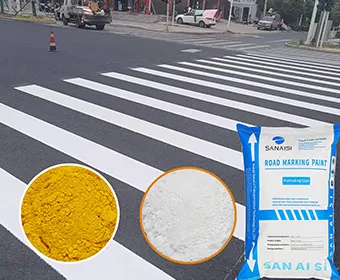
Thermoplastic road marking paint is a hot-applied material used to create visible and durable traffic markings on paved surfaces. Supplied in solid forms such as bags, blocks or granules, it is heated before application and forms a marking film as it cools. Material formulation, application temperature and performance requirements should be selected according to the project specification and product technical data.
 1 / 4
Material Overview
What Is Thermoplastic Road Marking Paint?
Understanding the material, its physical form and how it creates road markings.
Thermoplastic road marking paint, also known as thermoplastic road marking material or hot-applied road marking material, is a solvent-free marking material generally supplied in solid form. Before application, the material is heated in a suitable melting kettle until it reaches the required molten condition. It is then applied to the prepared pavement using a screed box, extrusion system or other compatible marking equipment.
After application, the material cools and solidifies to form a traffic marking film. Glass beads may be incorporated into the formulation and additional drop-on glass beads can be applied to the fresh marking to provide retroreflectivity.
Hot-Applied Material
Solid Supply Form
Cooling-Based Setting
Glass Bead Compatible
Road Safety Applications
Material Characteristics
Key Characteristics of Thermoplastic Road Marking Material
Performance depends on the material formulation, pavement condition, application method and project requirements.
Durable Markings
Designed for road marking applications where resistance to traffic wear and long-term visibility are important.
Reflective Performance
Can be combined with suitable glass beads to improve the visibility of markings under vehicle headlights.
Rapid Setting
The applied material solidifies through cooling. Actual setting time depends on thickness, temperature and conditions.
Multiple Applications
Used for highway lines, urban roads, airport pavement markings, parking areas and other traffic control markings.
Product Categories
Types of Thermoplastic Road Marking Paint
Different material options are available according to marking color, visibility requirements and pavement application.
Standard Color
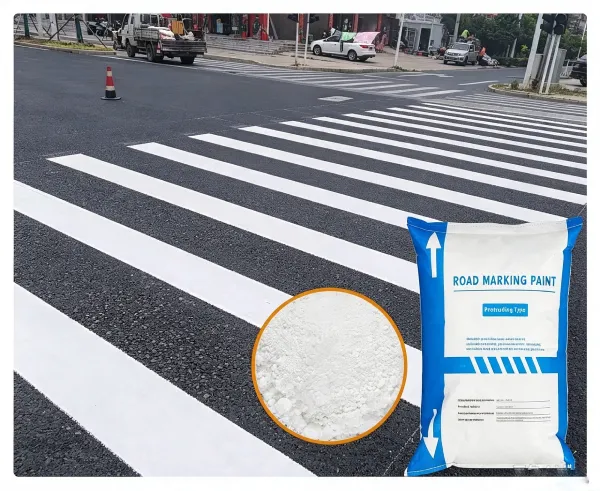
White Thermoplastic Road Marking Paint
White thermoplastic material is commonly used for lane lines, edge lines, stop lines, pedestrian crossings and other road traffic markings. Its appearance and visibility performance depend on the formulation, pigment quality, glass bead system and applicable project requirements.
Standard Color
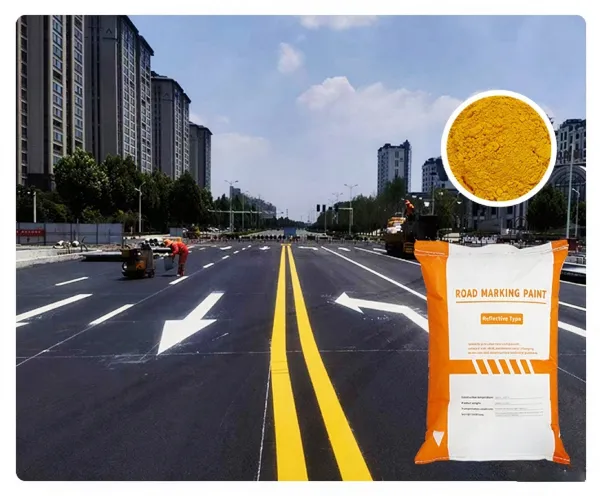
Yellow Thermoplastic Road Marking Paint
Yellow thermoplastic material is used for center lines, restrictions, warning markings and other applications where yellow traffic markings are specified. The exact color and performance requirements should follow local road marking standards.
Performance Feature
Reflective Thermoplastic Road Marking Material
Reflective thermoplastic markings use suitable glass bead systems to improve nighttime visibility. Beads may be incorporated into the material, while additional drop-on beads are applied to the fresh marking surface to provide the required retroreflective performance.
Special Application
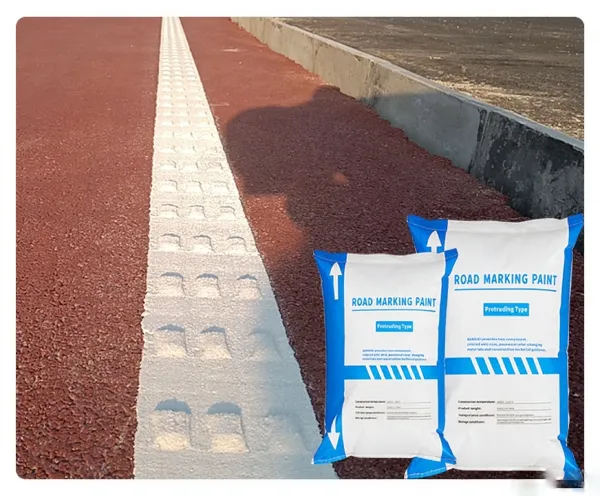
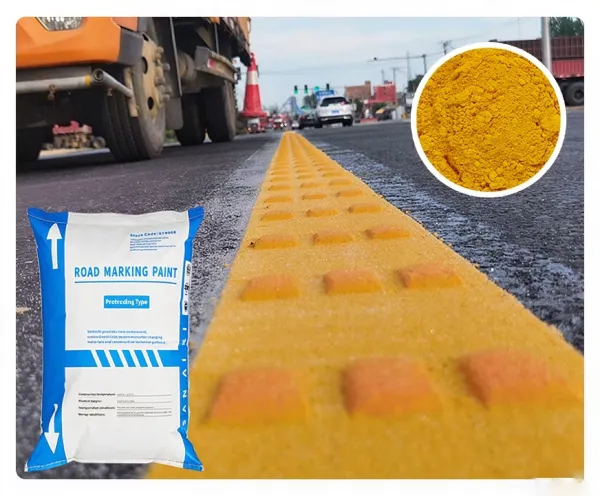
Convex Thermoplastic Road Marking
Convex Thermoplastic Road Marking Materials by Sanaisi deliver superior durability, high reflectivity, and skid resistance for enhanced road safety. Engineered for long-lasting performance in extreme weather, our eco-friendly thermoplastic markings ensure clear visibility day and night. Quick-drying and cost-effective, they’re ideal for highways, airports, and urban roads. Trust innovation. Drive safer.
Material Composition
What Is Thermoplastic Road Marking Paint Made Of?
Thermoplastic road marking material is generally formulated from several components. Their proportions and specific grades vary by manufacturer, product type and required performance. Common components include:
Resin
Provides binding properties and contributes to the material's adhesion, flow behavior and film formation.
Pigments
Provide the required marking color, commonly white or yellow, and contribute to color consistency.
Glass Beads
Used in suitable formulations and surface applications to provide retroreflective properties.
Fillers and Additives
Help adjust material properties such as viscosity, durability, flow, setting behavior and surface texture.
Manufacturing & Supply
Thermoplastic Road Marking Paint Production and Factory
Explore the production facilities, manufacturing processes and finished products behind thermoplastic road marking materials.
Understanding how thermoplastic road marking paint is produced can help buyers evaluate product consistency, manufacturing capabilities and supply reliability. The following factory and production views provide an overview of the manufacturing process, workshop environment and finished material options.
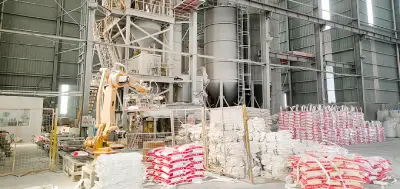
Thermoplastic Paint Production Line
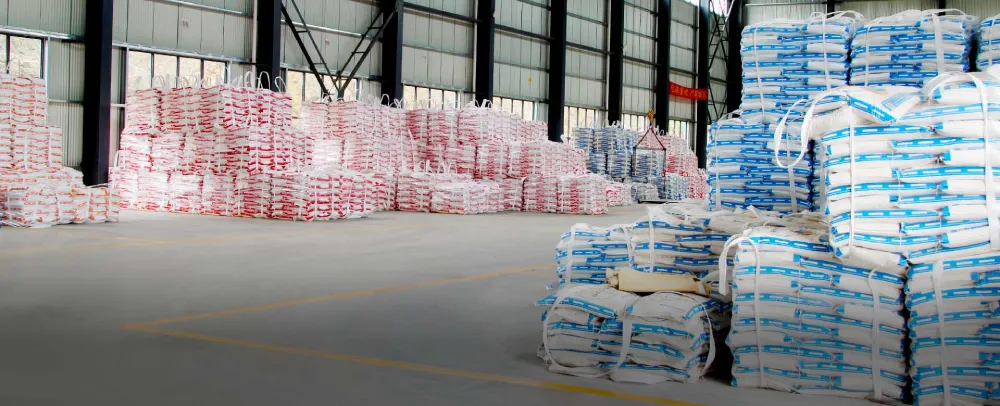
Production equipment and processing systems used in the manufacture of thermoplastic road marking materials, from raw material handling to finished product preparation.
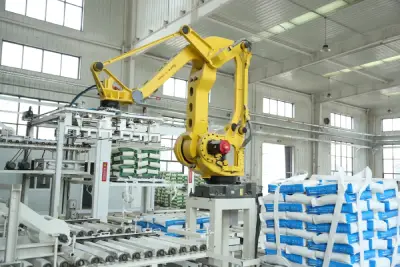
Manufacturing Workshop
A view of the production workshop, including manufacturing equipment, material handling areas and the working environment used for thermoplastic paint production.
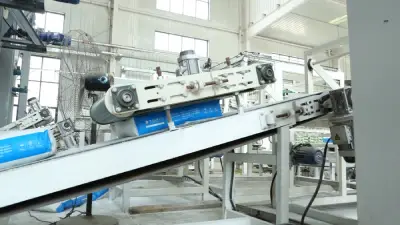
Production and Material Processing
Production stages such as raw material batching, mixing, processing and formulation control, depending on the manufacturing setup and product requirements.
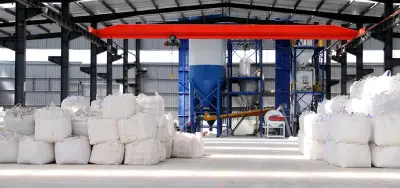
Finished Products and Packaging
Finished thermoplastic road marking materials in different colors and packaging formats, prepared for storage, transportation and project supply.
Production and supply information: Factory images and production details should represent the actual manufacturing facility or production partner responsible for the supplied materials. Product specifications, quality documentation and available packaging can be confirmed according to the specific order.
Application Process
How Is Thermoplastic Road Marking Paint Applied?
A typical hot-applied road marking process involves material preparation, heating, pavement preparation and controlled application.
01
Material Preparation
Check the product condition and prepare the material according to the manufacturer's instructions.
02
Heating and Melting
Heat the solid material in a suitable kettle and maintain the recommended working temperature.
03
Surface Preparation
Ensure the pavement is clean and suitably dry. Concrete may require additional surface treatment or primer.
04
Material Application
Apply the molten material using a compatible screed, extrusion or other approved application system.
05
Glass Bead Application
Apply drop-on glass beads when required by the product and project specification, then allow the marking to cool.
Application Guidance
Thermoplastic Road Marking Paint Application Temperature
Thermoplastic road marking material must be heated before application. However, there is no single application temperature that applies to every formulation or application method.
The recommended temperature depends on the resin system, material formulation, equipment, application method and manufacturer's technical data sheet. Screed application and extrusion application may have different recommended temperature ranges.
Operators should monitor the material temperature during heating and application. Excessive heating or prolonged exposure to high temperatures may affect material performance and should be avoided.
Request Marking Paint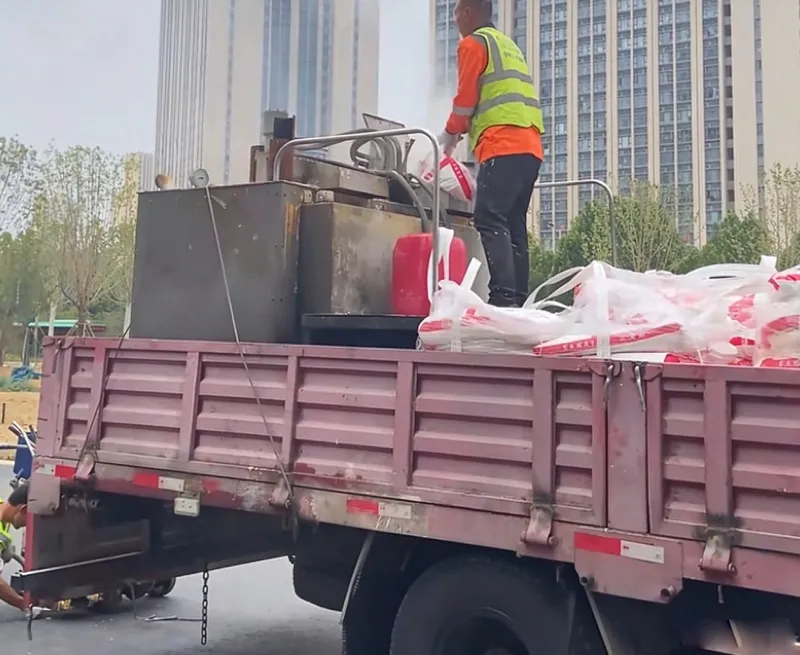
Where It Is Used
Applications of Thermoplastic Road Marking Material
Thermoplastic materials are used in a wide range of road traffic and pavement marking projects.
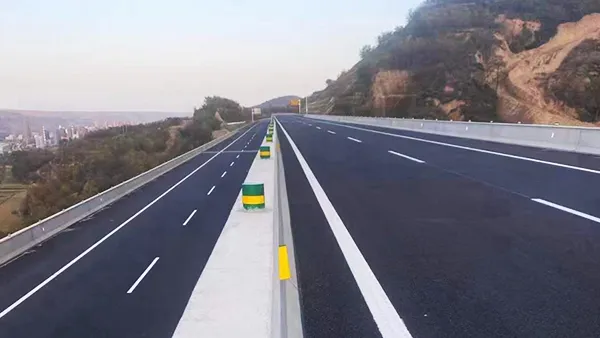
Highways and Expressways
Used for lane lines, edge lines, center lines and other traffic markings on high-volume roads.
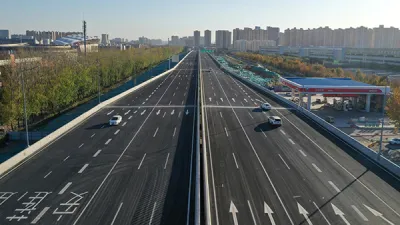
Urban and Municipal Roads
Suitable for traffic lanes, pedestrian crossings, stop lines, directional markings and road symbols.

Airport Pavements
Used in runway, taxiway and apron marking projects where specific aviation marking requirements apply.

Parking Lots and Commercial Areas
Used for parking bays, directional arrows, pedestrian areas and other traffic organization markings.
Material Comparison
Thermoplastic Road Marking Paint vs Cold Road Marking Paint
Both materials are used for pavement marking, but they differ in physical form, application method and setting mechanism.
| Comparison | Thermoplastic Road Marking Paint | Cold Road Marking Paint |
|---|---|---|
| Supply Form | Generally supplied as solid blocks, bags or granules. | Generally supplied as liquid paint. |
| Application Method | Heated and applied in molten form. | Applied by spraying or other liquid coating methods. |
| Setting Mechanism | Forms a solid marking film as the material cools. | Dries or cures according to its formulation. |
| Typical Equipment | Melting kettle and compatible thermoplastic marking equipment. | Cold paint spray marking machine or other suitable application equipment. |
| Marking Thickness | Generally applied as a relatively thick marking layer, depending on the specification. | Film thickness depends on paint formulation and application requirements. |
| Typical Applications | Highways, urban roads, intersections, airports and parking areas. | Municipal roads, parking areas, maintenance and other specified applications. |
| Equipment Requirements | Requires heating and temperature control equipment. | Requires equipment compatible with the selected liquid paint system. |
The suitable material depends on traffic conditions, pavement type, project budget, local standards, maintenance plans and required marking performance. Neither material should be selected based on service life alone.
Technical Information
Thermoplastic Road Marking Paint Specifications
Review the product's technical data sheet and applicable project standards before selecting a material.
Thermoplastic road marking materials are available in different formulations and performance classes. The following table outlines important parameters to check when comparing products. Actual values should be confirmed through the supplier's technical data sheet and test documentation.
| Parameter | What to Check | Why It Matters |
|---|---|---|
| Color and Appearance | White, yellow or other specified colors; color consistency. | Ensures compliance with the required road marking color. |
| Softening Point | Product-specific softening point and applicable classification. | Relates to the material's thermal behavior and performance. |
| Density | Measured density stated in the product technical data. | Useful for material comparison and consumption calculations. |
| Luminance Factor | White or yellow material performance under the relevant standard. | Helps evaluate daytime visibility. |
| Retroreflectivity | Initial and, where required, retained retroreflective performance. | Indicates nighttime visibility when used with suitable glass beads. |
| Setting / No-Pick-Up Time | Test conditions, pavement temperature and material thickness. | Affects when traffic can safely return to the marked area. |
| Application Temperature | Recommended temperature range for the selected application method. | Helps maintain suitable material flow and application quality. |
| Skid Resistance | Measured performance according to the specified test method. | Important for areas requiring additional surface friction. |
| Packaging and Shelf Life | Packaging type, storage conditions and stated shelf life. | Helps with transportation, storage and inventory planning. |
Do not treat a single set of technical values as universal for all thermoplastic road marking paints. Softening point, luminance factor, retroreflectivity, setting time and other requirements vary by product classification, test method and local road authority specification.
Project Considerations
Marking Thickness and Expected Service Life
The performance of thermoplastic road markings depends on more than the material itself.
Application Thickness
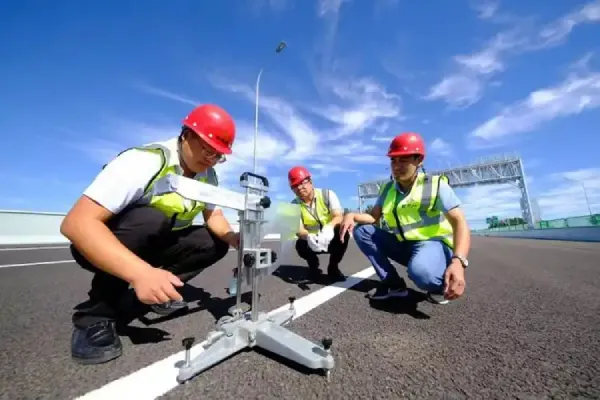
Thermoplastic Road Marking Thickness
The required marking thickness depends on the road authority specification, application method, pavement condition and project design. Screed, extrusion and other application systems may use different thickness requirements. Always confirm the specified wet or finished marking thickness before construction.
Durability Factors
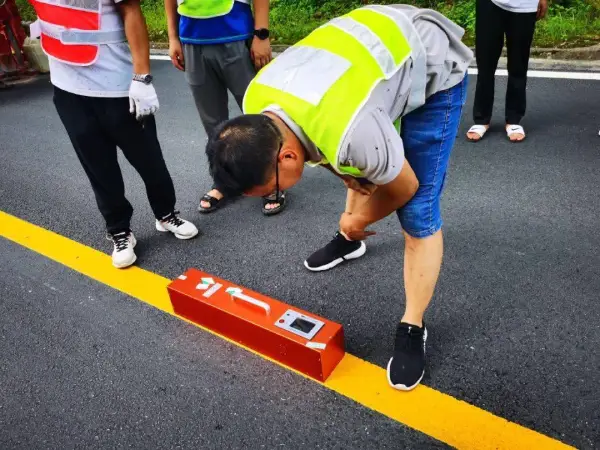
How Long Do Thermoplastic Road Markings Last?
Service life varies significantly with traffic, pavement surface, material formulation, application thickness, installation quality, weather and maintenance. A project-specific estimate should consider these conditions rather than rely on one fixed lifespan for every road.
Buying Guide
How to Choose the Right Thermoplastic Road Marking Material
A suitable material should match the project conditions, performance requirements and available application equipment.
Important Factors Before Purchasing
Before requesting a quotation, identify the project requirements and confirm that the selected material is compatible with the intended construction method.
✓
Project LocationHighway, urban road, airport, parking lot or other pavement application.
✓
Traffic ConditionsTraffic volume, vehicle type and expected wear conditions.
✓
Material ColorWhite, yellow or other colors required by local road marking regulations.
✓
Reflectivity RequirementsGlass bead type, application method and required retroreflective performance.
✓
Pavement SurfaceAsphalt or concrete, surface condition and any required primer or preparation.
✓
Local StandardsApplicable road authority specifications, testing methods and acceptance criteria.
✓
Application EquipmentMelting kettle, screed box, extrusion system and compatible bead dispenser.
✓
Supply RequirementsRequired quantity, packaging, delivery destination and expected supply schedule.
Material and Equipment
Equipment Used for Thermoplastic Road Marking
Thermoplastic material needs compatible heating and application equipment to achieve consistent road marking results.

Heating Equipment
Thermoplastic Paint Preheater
Used to heat solid thermoplastic material and maintain it in a suitable molten condition before application. Capacity and heating configuration should match the project output and material requirements.
Explore Preheating Equipment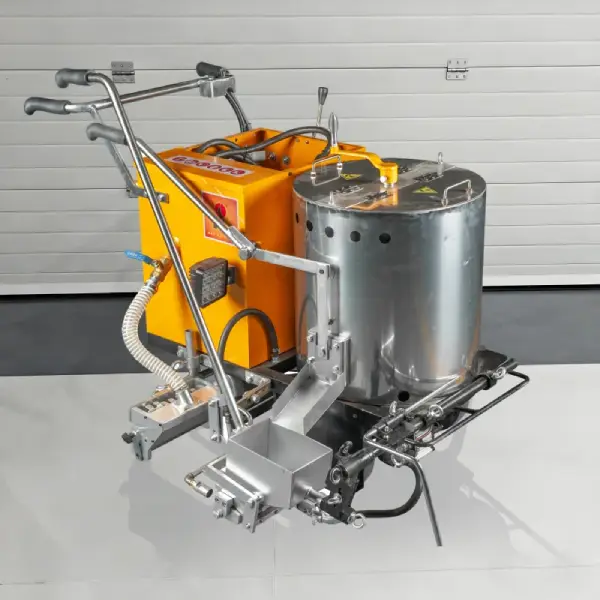
Application Equipment
Thermoplastic Road Marking Machine
Applies molten thermoplastic material to the pavement through a compatible marking shoe, screed or extrusion system. Machine selection depends on project scale and marking design.
Explore Marking MachinesThe equipment links above are suggested internal-link destinations. Confirm that these URLs match your published website pages before using them.
Purchasing Information
What Affects Thermoplastic Road Marking Paint Price?
The price of thermoplastic road marking material depends on its formulation, technical performance, order quantity and delivery requirements. A suitable quotation should be based on the actual product specification and project needs.
Material Formulation
Resin system, pigment quality, filler composition and additive selection affect product cost.
Performance Requirements
Reflectivity, skid resistance, color requirements and applicable standards influence material selection.
Order Quantity
Total volume, packaging configuration and shipping arrangements affect the final quotation.
Frequently Asked Questions
Thermoplastic Road Marking Paint FAQs
Answers to common questions about thermoplastic road marking materials, application and selection.
1. What is thermoplastic road marking paint?
Thermoplastic road marking paint is a hot-applied, generally solvent-free road marking material supplied in solid form. It is heated before application and forms a solid marking film as it cools on the pavement.
2. What is thermoplastic road marking material made of?
Common components include resin, pigments, glass beads, fillers and additives. The exact formulation and proportions vary by product and manufacturer.
3. What temperature is required to apply thermoplastic road marking paint?
Application temperature depends on the product formulation and application method. The manufacturer's technical data sheet should be followed rather than applying one universal temperature range to all materials.
4. How long does thermoplastic road marking paint last?
Service life varies with traffic volume, pavement condition, material quality, application thickness, installation quality, weather and maintenance. A reliable estimate should be based on the specific project conditions.
5. Can thermoplastic road marking paint be used on concrete?
It can be used on suitable concrete surfaces when the surface is properly prepared. Concrete should be clean and suitably dry, and a compatible primer or sealer may be required depending on the product and project specification.
6. What is the difference between white and yellow thermoplastic road marking paint?
The main difference is the pigment and intended marking application. White material is commonly used for lane lines and other standard markings, while yellow material is used where yellow traffic markings are required by local regulations or project specifications.
7. Are glass beads added to thermoplastic road marking paint?
Glass beads may be incorporated into the material, and additional drop-on beads can be applied to the fresh marking surface. The bead type, application rate and required retroreflective performance depend on the product and project specification.
8. What is the typical thickness of thermoplastic road markings?
The required thickness varies by road authority, application method, pavement condition and marking design. The project specification should define the required thickness and measurement method.
9. How should thermoplastic road marking paint be stored?
Store the material in its original packaging in a dry, covered and well-ventilated area. Protect it from moisture, direct weather exposure and contamination, and follow the storage conditions and shelf life stated in the product documentation.
10. What information is needed to request a quotation?
Useful information includes the required color, material type, project application, relevant technical standard, estimated quantity, packaging requirements and delivery destination. This helps identify a suitable product and prepare a more accurate quotation.
Looking for Thermoplastic Road Marking Paint for Your Project?
Share your project application, required material type, color, technical specifications and estimated quantity. Wayke Machine can help coordinate suitable material options and compatible road marking equipment for your requirements.