

Road Rollers for Different Compaction Applications
Road Compaction Equipment
Road Rollers for Road Construction and Compaction
Wayke Machine provides road rollers for soil compaction, subbase preparation, asphalt paving and pavement construction. Explore suitable roller options for different project scales, working conditions and compaction requirements.
From single drum rollers for soil and granular materials to double drum rollers for asphalt surfaces and compact walk-behind rollers for confined areas, choose equipment according to your application and project needs.
- Single Drum Road Rollers
- Double Drum Road Rollers
- Walk-Behind Road Rollers
- Road Compaction Applications
Need help selecting a suitable roller? Share your
material type, working area and project requirements
with our team.
Soil Compaction
Equipment options for soil, gravel and subbase layers.
Asphalt Compaction
Rollers for asphalt compaction and surface finishing.
Different Project Scales
Options for larger sites and smaller working areas.
Project-Based Selection
Choose according to material, site and work requirements.
What Is a Road Roller?
A road roller is a compaction machine used in road construction and other civil engineering projects. It applies static pressure, vibration or a combination of these forces to compact materials and help achieve the required density and surface condition.
Road rollers are used at different stages of construction. Soil and subbase layers generally require equipment suited to the material and compaction depth, while asphalt paving requires suitable rollers to achieve the specified density and surface finish. The best machine depends on the material, layer thickness, site conditions and project specification.
Selection tip: Do not choose a roller by operating
weight alone. Drum type, vibration settings, material characteristics,
layer thickness and the required finished surface all affect
equipment selection.
Types of Road Rollers
Different roller designs serve different compaction tasks. Review the main road roller categories below and compare their typical applications before choosing a suitable model.
Single Drum Road Roller
Single drum rollers are commonly used for soil, gravel and subbase compaction. Many models use a steel drum at the front and tires at the rear. Drum configuration and vibration capability vary by machine.
Typical applications: Earthworks, roadbeds, subbase and site preparation.
View Single Drum Rollers →
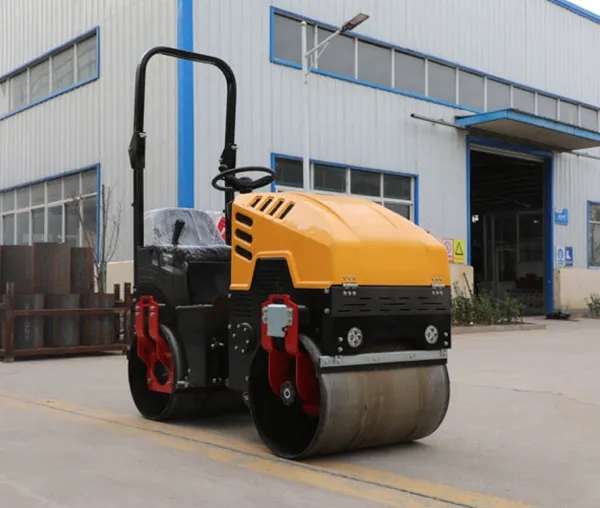
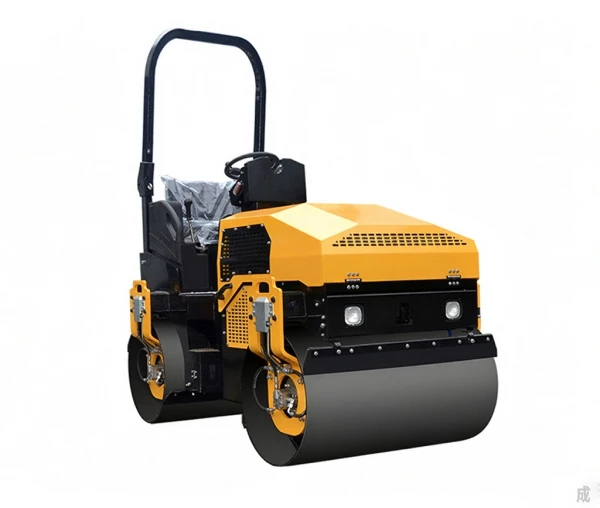
Double Drum Road Roller
Double drum rollers have front and rear steel drums. They are widely used for asphalt compaction and surface finishing. Some models provide vibration functions on one or both drums.
Typical applications: Asphalt roads, parking areas and pavement works.
View Double Drum Rollers →
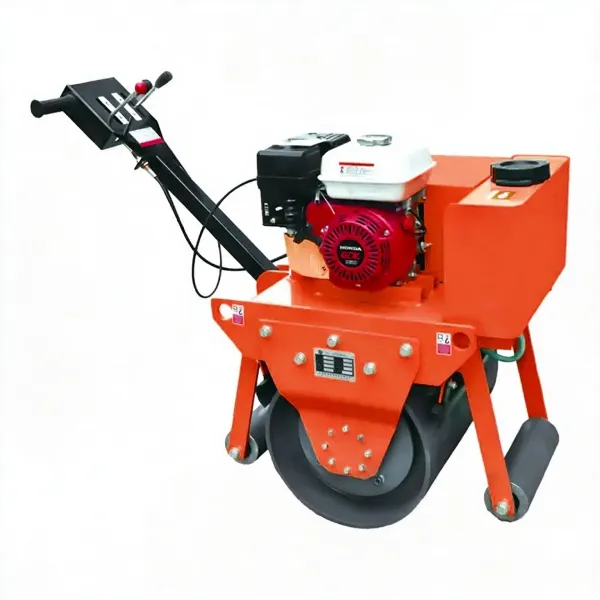
Walk-Behind Road Roller
Walk-behind rollers are compact machines designed for smaller working areas and jobs where larger ride-on rollers may be difficult to maneuver. Available configurations vary by model.
Typical applications: Sidewalks, narrow paths, small repairs and confined spaces.
View Walk-Behind Rollers →How to Choose the Right Road Roller
Start with the material being compacted and the required result. Then compare the machine's weight, drum design, vibration system, working width and site maneuverability.
| Application | Roller Type to Consider | Selection Considerations |
|---|---|---|
| Soil and subbase compaction | Single drum roller | Material type, compaction depth, drum configuration and vibration settings. |
| Asphalt paving | Double drum roller | Required density, layer thickness, surface finish and paving method. |
| Small construction areas | Walk-behind roller | Working width, maneuverability, access and required compaction performance. |
| Road repairs and narrow areas | Compact roller suitable for the material | Available space, surface type, transport and operating requirements. |
The recommendations above are general guidance, not a substitute
for the project's compaction specification. Confirm suitability
with the equipment supplier and project engineer.
Unsure which roller matches your project? Share the material, working area and required compaction result.
Discuss Your RequirementsRoad Roller Applications
Road rollers support a range of construction and maintenance operations. The suitable model depends on the material and compaction requirements of each job.
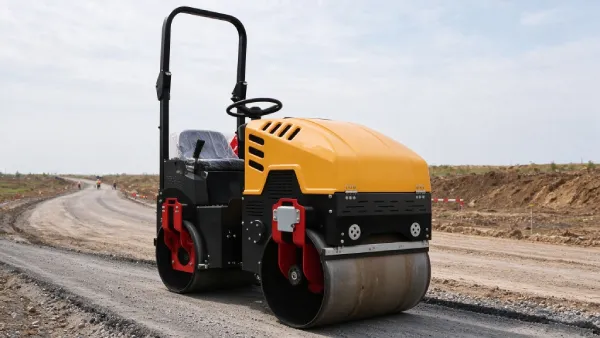
Highway Construction
Compaction of roadbed, subbase and pavement layers using equipment specified for each construction stage.

Asphalt Paving
Compaction of asphalt layers to help meet the required density, smoothness and surface specification.
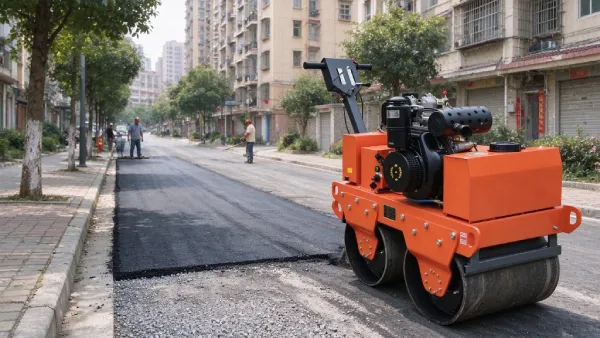
Municipal Roads
Equipment options for urban road construction, resurfacing, local road repairs and related work.
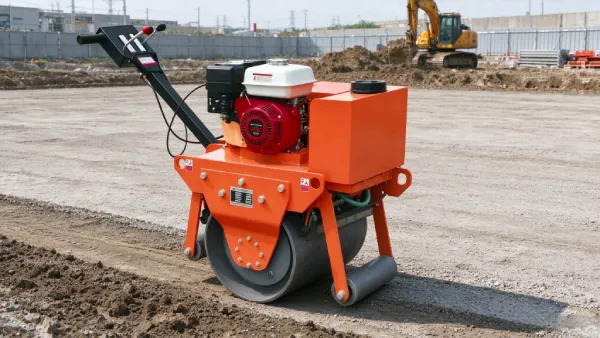
Site Preparation
Suitable compaction equipment for selected construction sites, access roads and prepared ground.
Road Compaction in a Typical Construction Process
Road construction usually involves several material layers. Equipment selection should follow the project design and the requirements of the material being compacted.
Ground Preparation
Prepare and grade the site according to the construction plan before compaction begins.
Soil Compaction
Use a roller suitable for the soil type, moisture conditions and required compaction depth.
Subbase and Base Compaction
Compact granular or other specified base materials using equipment appropriate to the material and layer thickness.
Asphalt Compaction
Compact asphalt according to the paving method, mix requirements, temperature window and project specification.
The actual roller sequence, number of passes and operating settings
must be determined by the construction specification and field
conditions. There is no single sequence suitable for every project.
Factors That Affect Road Compaction Quality
A suitable roller is important, but the finished result also depends on the material, operating settings and construction procedure.
Operating Weight
Machine weight influences contact pressure and compaction performance. Select it according to the material, layer thickness and project requirements.
Drum Design
Smooth drums and other drum configurations serve different purposes. Choose a configuration suited to the material and required surface.
Vibration Settings
Where vibration is available, frequency and amplitude should be appropriate for the material and operating conditions.
Travel Speed
Operating speed affects the time and compactive effort applied to the material. Follow the approved procedure for the selected machine and project.
Number of Passes
The required number of passes depends on the material, machine, layer thickness and specified compaction result.
Material Conditions
Moisture, temperature, grading and layer thickness can affect compaction. Follow the applicable construction specification.
Choosing a Road Roller Supplier
When comparing suppliers, focus on the information and support provided for the actual machine being quoted rather than relying only on general marketing claims.
Clear Technical Information
Ask for the model datasheet, operating weight, drum dimensions, vibration specifications where applicable, engine details and machine dimensions.
Application-Based Selection
A suitable recommendation should consider your material, project scale, working environment and required compaction result.
Quotation Scope
Confirm the exact model, included accessories, spare parts, packaging, delivery terms and any additional costs.
Export and After-Sales Details
Clarify export documentation, shipping arrangements, operating manuals, spare-parts availability and the support actually included in the offer.
Related Road Construction Equipment
Depending on your project, road rollers may be used alongside road marking equipment and other construction machinery.
Frequently Asked Questions About Road Rollers
A single drum roller typically has one steel drum and is
commonly used for soil and subbase compaction. A double drum
roller has two steel drums and is widely used for asphalt
compaction and surface finishing. The right choice depends
on the material and project specification.
Double drum rollers are widely used for asphalt compaction.
The suitable equipment and sequence depend on the asphalt
mix, layer thickness and construction specification.
The required size depends on the material, project scale,
layer thickness, site access and compaction specification.
Smaller rollers may suit confined areas, while larger
machines may be appropriate for major earthworks or road
projects. Compare actual model specifications before selecting.
Some rollers may be suitable for more than one application,
but this depends on the drum design, machine configuration
and project requirements. A machine suitable for soil
compaction should not automatically be assumed suitable
for asphalt finishing.
Walk-behind road rollers are compact machines used for
smaller working areas, sidewalks, narrow paths and local
repair jobs where larger rollers may be difficult to
maneuver. The actual application depends on the model
and its technical specifications.
Provide your project country, material type, application,
working area, required compaction result and any available
project specification. If you have a preferred operating
weight or machine type, include that information as well.
Compare operating weight, drum width and diameter, vibration
settings where applicable, travel speed, engine and power
details, dimensions, gradeability where specified, service
access and warranty terms. Verify all values using the
datasheet for the exact model.
Request a Road Roller Quotation
Tell us about your construction project and the compaction work you need to carry out. Providing a few basic details helps narrow down the appropriate road roller category and configuration.
1. Project Country
Where will the machine be delivered and used?
2. Material Type
Soil, gravel, subbase, asphalt or another material.
3. Project Requirements
Project scale, site conditions and required compaction result.
4. Preferred Equipment
Single drum, double drum, walk-behind or not yet decided.
For a more accurate recommendation, include your project specification or the required machine operating weight if known.
Product availability, specifications and suitability depend on the exact model and project requirements. Please confirm details before placing an order.